Love rarely follows a clear path. Two people may meet by chance, grow close, or drift apart without warning. Poets often describe these moments through cards, dice, and luck.
These symbols turn feelings into scenes that readers can picture. A shuffled deck suggests an unknown future. A rolling die captures the tension of waiting for an answer. A lucky draw can stand for an unexpected meeting.
In romantic poetry and shayari, such images help writers explore hope, trust, doubt, and heartbreak.
Shayari, a form of poetry closely linked to Hindi and Urdu literary culture, often expresses deep feelings through brief, vivid lines. A simple image can carry more meaning than a long account of an emotion.
Games of chance provide a rich source of metaphors because their outcomes remain uncertain. A person may make a choice but cannot control every result.
The same tension appears in relationships. People can share their feelings, yet they cannot decide how another person will respond.
By linking love with chance, poets give readers a clear way to understand the gap between what the heart hopes for and what life delivers.
Why Playing Cards Symbolize Love And Uncertainty
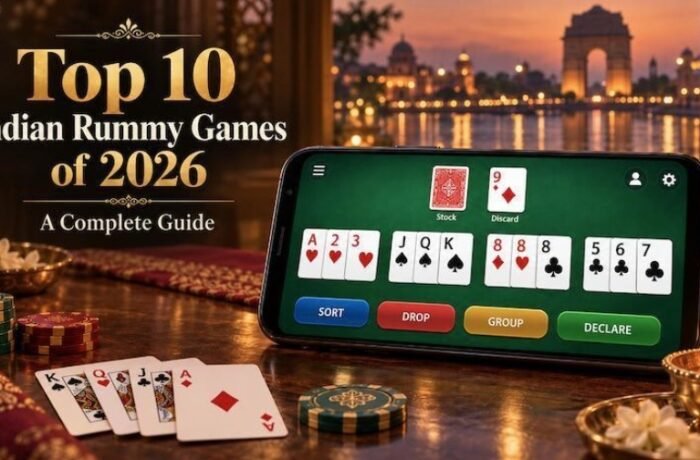
A deck of cards offers poets a simple way to describe the unknown. Each card has a fixed face, but no one knows which one will appear next after a fair shuffle.
In romantic poetry, a hidden card can represent an unspoken feeling. Someone may care deeply for another person yet keep those feelings private. The moment of confession becomes like turning over a card.
Cards also help poets explore trust. A person who reveals their hand has nothing left to hide. In a poem, this image may suggest honesty, courage, or fear of rejection.
The symbol remains familiar in modern digital culture. From traditional card games to formats found on a desi live casino online app, cards still carry ideas of chance, suspense, and uncertain results.
Yet poetry gives these objects a different purpose. A winning hand does not need to represent money or success. It might stand for a kind reply, a shared memory, or a moment of mutual understanding.
The strength of the card metaphor lies in the contrast between choice and chance. A person can choose to speak with honesty but cannot control the answer.
How Dice Represent Fate And The Choices We Cannot Control
A die rolls across a table, strikes the edge, and comes to rest. No one knows which face will point up until it stops.
This simple act gives poets a clear image of fate and uncertainty.
In romantic shayari, a rolling die can stand for a chance meeting. Two people may cross paths because they visit the same place on the same day. A small change in either person’s plans could prevent that meeting.
Dice also help writers show the limits of personal choice. Someone may speak with care, show affection, and remain loyal. Yet those actions cannot force another person to feel the same way.
The image becomes more powerful when a poet contrasts movement with stillness. The die moves for a brief moment, but its final position stays fixed.
This can mirror a major change in a relationship. One short talk may alter years of friendship.
Dice give shape to events that people cannot fully predict. They remind readers that even careful choices can lead to unexpected results.
The Role Of Luck And Destiny In Romantic Shayari
Luck appears in romantic poetry when a meeting feels too rare to explain through planning alone. A missed train, a sudden storm, or an empty seat may bring two people together.
In Hindi and Urdu shayari, kismat often refers to fate or destiny, while naseeb can describe a person’s allotted fortune. Poets use these words to explore why some relationships flourish and others end.
A writer might describe finding love as a gift from fate. Another may question why destiny brought two people together only to separate them.
These images create a contrast between hope and helplessness. The speaker wants a certain future but cannot shape every event that leads to it.
Luck also changes meaning with the poem’s mood. In joyful verse, it suggests a welcome surprise. In sad shayari, it may express regret over a missed chance.
Unlike cards or dice, luck has no physical form. Poets make it visible through meetings, letters, journeys, and farewells.
The idea of destiny helps turn private feelings into stories that readers can recognize from their own lives.
How Poets Use Games Of Chance To Describe Heartbreak
Heartbreak often brings questions that have no clear answers. A person may wonder why a bond ended despite years of care and trust.
Poets use games of chance to give these feelings a familiar shape.
An empty hand can suggest lost hope. A discarded card may stand for a promise that someone broke. A die that falls the wrong way can reflect a future that changed without warning.
These images work because they show loss without naming every emotion.
In sad shayari, the speaker may compare a failed relationship to a game where the rules were never clear. The image expresses confusion as much as sorrow.
However, love is not a contest with a fixed winner and loser. Skilled poets use the comparison to reveal how people feel, not to define how relationships work.
The strongest verses often place a small, concrete image beside a deep emotion. One card left on a table can suggest an entire story of separation.
Why Symbols Of Chance Give Romantic Poetry Lasting Meaning
Cards, dice, and luck help poets explain feelings that are hard to put into plain words. Each symbol offers a different view of love.
Cards suggest hidden feelings and the courage to reveal them. Dice capture sudden changes and uncertain results. Luck reflects the role of chance in meetings, relationships, and farewells.
These images work well in shayari because a few carefully chosen words can tell a much larger story.
A poet does not need to describe every detail of a lost relationship. A single image of an empty hand or a final throw can express hope, regret, or acceptance.
The symbols also leave room for readers to find their own meaning. One person may see a lucky meeting. Another may recall a missed chance.
The lasting power of these metaphors comes from their simplicity. They turn familiar objects into clear expressions of love, uncertainty, and the choices people cannot undo.